The Role of Circadian Rhythms in Scheduling High- Focus Tasks

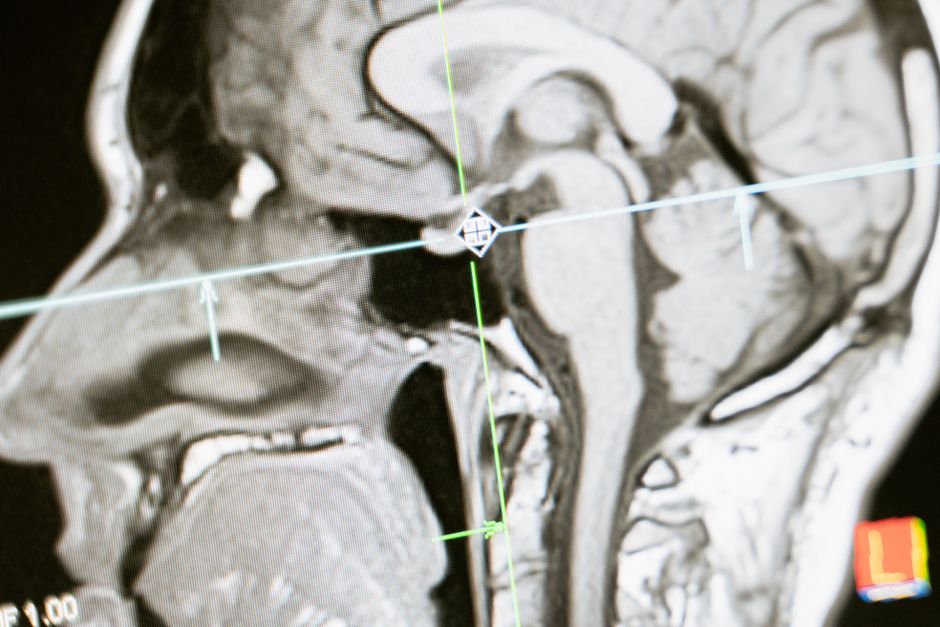
Circadian rhythms are endogenous, approximately 24-hour cycles that influence a wide range of physiological and behavioral processes, including sleep-wake patterns, hormone secretion, body temperature, and cognitive functioning. These internal clocks are primarily regulated by the suprachiasmatic nucleus in the hypothalamus, which receives light input from the retina and synchronizes bodily systems with the external day-night cycle. Understanding how these rhythms operate provides a framework for structuring demanding cognitive work in ways that may align with natural fluctuations in alertness and focus. Many professionals seek to optimize their schedules for high-concentration tasks, and chronobiological research offers insights into when such tasks might be best performed. This article examines the role of circadian rhythms in scheduling high-focus tasks, with attention to individual differences, environmental factors, and practical considerations.
Research in the field of chronobiology indicates that cognitive performance does not remain constant throughout the day. Instead, it follows predictable patterns that correspond with circadian phase. For most individuals, alertness tends to rise through the morning, peak around mid-day, dip in the early afternoon, and rise again in the late afternoon or early evening. However, these patterns are not universal; they vary based on chronotype, age, and other factors. The concept of aligning demanding cognitive work with natural energy peaks is therefore not a one-size-fits-all prescription but rather a contextual approach that requires self-observation and flexibility. By considering circadian rhythms, individuals and organizations may structure workflows to support sustained attention and reduce reliance on compensatory strategies such as caffeine or frequent breaks.
This article explores the scientific foundations of circadian rhythms, the relationship between circadian phase and cognitive performance, and practical methods for scheduling high-focus tasks. It also addresses the limitations of chronobiological scheduling and the importance of individual variability. The information presented is intended for educational purposes and does not constitute professional advice. RestWise Analytics provides tools and resources for tracking and analyzing circadian patterns, but the application of such information depends on personal circumstances and should be discussed with qualified professionals when necessary.
Understanding Circadian Rhythms and Cognitive Performance
Circadian rhythms are generated by a complex network of molecular clocks present in nearly every cell of the body. These clocks interact with environmental cues, most notably light exposure, to produce daily oscillations in physiology and behavior. The master clock in the brain coordinates peripheral clocks, ensuring that processes such as glucose metabolism, core body temperature, and neurotransmitter release occur at appropriate times. Cognitive functions, including attention, working memory, and executive function, are influenced by these rhythms. For example, studies have shown that reaction time and vigilant attention tend to follow a circadian pattern, with performance varying across the day. However, the exact timing of peaks and troughs depends on an individual’s chronotype—whether they are a morning person, evening person, or somewhere in between.
The relationship between circadian phase and cognitive performance is also modulated by homeostatic sleep pressure, which accumulates with time awake and dissipates during sleep. The interaction between circadian and homeostatic processes is often described by the two-process model of sleep regulation. When these two systems are misaligned—such as during shift work or jet lag—cognitive performance can be impaired. Conversely, when high-focus tasks are scheduled to coincide with circadian peaks and low sleep pressure, conditions may be more favorable for sustained concentration. It is important to note that these effects are probabilistic and influenced by numerous factors, including task difficulty, motivation, and environmental distractions.
Beyond circadian rhythms, ultradian rhythms—shorter cycles of approximately 90 to 120 minutes—also play a role in cognitive performance. These cycles are characterized by periods of higher and lower alertness within the day. Some researchers suggest that structuring work in alignment with ultradian cycles, such as taking brief breaks after intense focus periods, may help maintain productivity. However, the evidence for ultradian rhythms is less robust than that for circadian rhythms, and individual differences are considerable. A comprehensive approach to scheduling high-focus tasks might therefore consider both circadian and ultradian patterns, while remaining adaptable to personal experience.
Identifying Individual Energy Peaks
Determining one’s natural energy peaks requires systematic self-observation. Chronotype can be assessed through validated questionnaires, such as the Morningness-Eveningness Questionnaire or the Munich ChronoType Questionnaire. These instruments provide a general indication of whether an individual tends to be more alert in the morning or evening. However, chronotype alone does not capture day-to-day variations or the influence of external factors like sleep quality, stress, and physical activity. Keeping a simple log of subjective alertness and task performance at different times of day can help identify personal patterns. This log might include ratings of focus, energy, and mood at regular intervals, along with notes on sleep duration and quality from the previous night.
It is also useful to consider the types of high-focus tasks that need to be scheduled. Not all demanding cognitive work is identical. Some tasks require intense analytical reasoning, while others demand creative thinking or sustained attention to detail. Research suggests that different cognitive domains may have different circadian profiles. For instance, some studies indicate that analytical tasks may be performed better during circadian peaks, whereas creative tasks might benefit from periods of lower alertness when associative thinking is less constrained. Therefore, matching the nature of the task to the appropriate circadian phase could be more effective than simply scheduling all high-focus work during a single peak period.
Environmental and lifestyle factors can also shift or obscure natural energy peaks. Exposure to bright light in the morning can advance circadian phase, making someone more morning-oriented, while evening light exposure can delay it. Caffeine consumption, meal timing, and physical activity are additional modulators. For those who wish to align high-focus tasks with circadian peaks, it may be helpful to stabilize daily routines, including consistent wake times and light exposure, to reinforce circadian entrainment. RestWise Analytics offers tools that allow users to track these variables and visualize patterns over time, which can support informed decision-making.
Practical Approaches to Scheduling High-Focus Tasks
Once individual energy peaks are identified, the next step is to structure the workday accordingly. A common recommendation is to reserve peak periods for tasks that require the highest level of concentration, such as complex problem-solving, strategic planning, or learning new material. Lower-energy periods can be allocated to routine administrative tasks, email management, or collaborative activities that demand less intense focus. This approach, often referred to as energy management, contrasts with traditional time management, which treats all hours as equivalent. By aligning task demands with energy availability, individuals may experience less fatigue and greater satisfaction with their work.
Several practical strategies can facilitate this alignment. First, block scheduling involves designating specific time blocks for high-focus work and protecting them from interruptions. This might mean turning off notifications, closing the door, or using communication tools to signal availability status. Second, task batching groups similar low-focus tasks together to minimize context switching, which can be particularly draining during periods of lower alertness. Third, strategic breaks—brief periods of rest or light activity—can help sustain attention during extended focus sessions. Some evidence suggests that breaks taken in accordance with ultradian rhythms, such as after 90 minutes of concentrated work, may be beneficial, though individual preferences vary.
It is also important to consider the role of caffeine and other stimulants. While caffeine can temporarily increase alertness, it does not replace sleep and may disrupt subsequent circadian rhythms if consumed late in the day. Relying on caffeine to power through low-energy periods can lead to a cycle of poor sleep and reduced daytime performance. Instead, scheduling high-focus tasks during natural peaks may reduce the perceived need for caffeine. Similarly, extended breaks are not always necessary if work is structured in harmony with energy levels; shorter, more frequent breaks may suffice. However, these are general observations, and individual responses to caffeine and break patterns vary widely.
Organizations can support circadian-friendly scheduling by offering flexible work hours, providing spaces for focused work, and educating employees about chronobiology. However, implementing such changes requires careful planning and consideration of business needs. Not all roles allow for flexible scheduling, and some tasks must be performed at specific times due to operational constraints. In such cases, individuals may need to adapt by using other strategies, such as optimizing sleep hygiene and light exposure to shift circadian phase gradually. RestWise Analytics provides analytics that can help organizations understand aggregate patterns and identify opportunities for schedule optimization, but decisions should always involve stakeholders and respect individual differences.
Limitations and Considerations
While the concept of aligning high-focus tasks with circadian rhythms is appealing, it is not a panacea. Several limitations warrant consideration. First, circadian rhythms are not fixed; they can change with age, seasonal variations, and life events. An individual’s peak focus time may shift over months or years, requiring periodic reassessment. Second, the evidence base for specific scheduling recommendations is still evolving. Many studies are conducted in controlled laboratory settings, and real-world applicability may be limited. Third, individual variability is substantial. Two people with the same chronotype may respond differently to the same schedule due to differences in sleep quality, stress, and health status.
Moreover, the relationship between circadian phase and cognitive performance is influenced by task characteristics. For example, tasks that are highly engaging or intrinsically motivating may be less dependent on circadian alertness. Similarly, the social and physical environment can either support or hinder focus, regardless of circadian timing. Therefore, a holistic approach that considers multiple factors—sleep, nutrition, physical activity, stress management, and work design—is likely to be more effective than focusing solely on circadian scheduling.
It is also important to avoid overgeneralizing from chronobiological research. Not everyone can restructure their day to match their chronotype, and attempting to do so against practical constraints may increase stress. The goal should be to find a sustainable balance that respects both biological rhythms and external demands. For those with irregular schedules, such as shift workers or caregivers, circadian alignment may be particularly challenging, and professional guidance from a sleep specialist or occupational health provider may be beneficial. RestWise Analytics does not provide medical advice, but its tools can assist in tracking patterns that users can discuss with healthcare professionals.
Conclusion
Circadian rhythms play a significant role in shaping cognitive performance throughout the day. By understanding these rhythms and identifying personal energy peaks, individuals may be able to schedule high-focus tasks in ways that support concentration and reduce reliance on caffeine or extended breaks. However, this approach is not universally applicable and requires careful self-observation and flexibility. Factors such as chronotype, task type, and environmental conditions all interact to influence optimal timing. Organizations and individuals interested in applying chronobiological principles should consider a gradual, evidence-informed approach, recognizing that outcomes depend on multiple variables. RestWise Analytics offers resources for those seeking to explore circadian patterns, but any significant changes to work schedules or health routines should be discussed with qualified professionals. Ultimately, the goal is to foster work practices that are both effective and sustainable, respecting the natural rhythms of the human body.