Evening Routines for Better Sleep and Morning Alertness

Establishing a consistent evening routine is a foundational practice for supporting sleep quality and next-day cognitive function. While individual experiences vary, research in sleep science and chronobiology suggests that a structured pre-sleep period can help regulate the body’s internal clock and promote restorative rest. The process involves a series of deliberate choices—such as adjusting lighting, managing screen exposure, and incorporating relaxation methods—that collectively signal to the brain that the day is winding down.
In the United States, where busy schedules and constant connectivity often extend into the late evening, the challenge of transitioning to a restful state is common. Many people find that without a clear boundary between work, leisure, and sleep, the mind remains alert, making it difficult to fall asleep and stay asleep. This article explores the components of an effective evening routine, the rationale behind each practice, and how these habits may contribute to feeling more refreshed and focused in the morning.
It is important to note that sleep is influenced by numerous factors, including genetics, health conditions, stress levels, and environment. No single routine guarantees outcomes, and what works for one person may not work for another. The information presented here is intended for educational purposes and should be considered alongside personalized advice from healthcare professionals when needed.
Understanding the Role of Evening Routines in Sleep Regulation
The human body operates on a circadian rhythm, an internal 24-hour cycle that governs sleep-wake patterns, hormone release, and body temperature. Evening routines can support this natural rhythm by providing consistent cues that signal the approach of sleep. When performed regularly, these rituals help reinforce the association between specific activities and the onset of rest, making it easier to transition into sleep.
From a physiological perspective, the transition from wakefulness to sleep involves a shift in the autonomic nervous system. The sympathetic branch, associated with alertness and stress, gradually gives way to the parasympathetic branch, which promotes relaxation and recovery. An evening routine that includes calming activities can facilitate this shift, potentially reducing the time it takes to fall asleep and improving sleep continuity.
However, the effectiveness of an evening routine depends on consistency and personal fit. Factors such as chronotype (whether one is a morning person or evening person), age, and lifestyle can influence which practices are most beneficial. For example, a routine that works well for a night owl may need adjustment for someone who naturally wakes early. Flexibility and self-awareness are key when designing a pre-sleep regimen.
Consistency in evening routines helps anchor the circadian rhythm, but individual differences mean that no two routines look exactly alike.
Key Components of a Sleep-Supportive Evening Routine
A well-rounded evening routine typically includes several elements that address both environmental and behavioral factors. These components work together to create conditions conducive to sleep. While the specific order and timing can vary, the general principles remain consistent: reduce stimulation, create a calming atmosphere, and prepare both mind and body for rest.
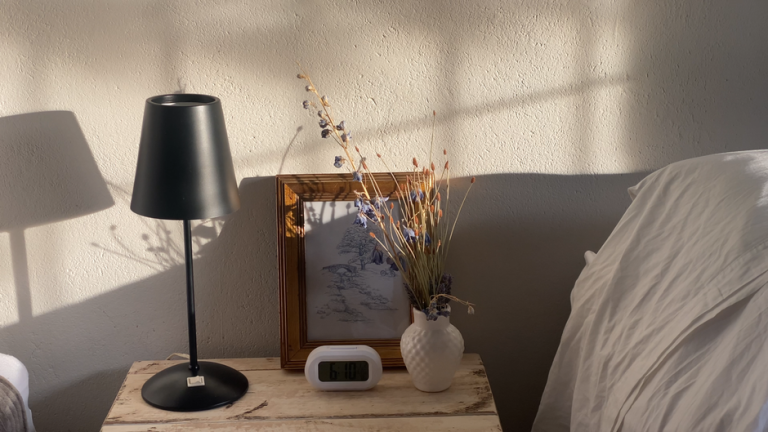
One of the most impactful adjustments is the management of light exposure. Exposure to bright light, especially blue light from screens, in the hours before bed can suppress melatonin production, the hormone that helps regulate sleep. Dimming lights and reducing screen time are common recommendations. For many, this means turning off overhead lights, using lamps with warm bulbs, and limiting use of smartphones, tablets, and computers.
Relaxation techniques are another cornerstone of an effective evening routine. These can include practices such as deep breathing, progressive muscle relaxation, meditation, or gentle stretching. The goal is to activate the body’s relaxation response, lowering heart rate and blood pressure while quieting mental chatter. Some individuals also find journaling or reading a physical book helpful for unwinding.
Other considerations include maintaining a cool, dark, and quiet sleep environment, avoiding heavy meals and caffeine close to bedtime, and establishing a consistent sleep schedule. While these factors are not strictly part of the evening routine itself, they interact with it and can influence overall sleep quality.
- Dim the lights in the evening to support natural melatonin production.
- Limit screen time at least one hour before bed, or use blue light filters if screens are unavoidable.
- Engage in relaxation techniques such as deep breathing, meditation, or gentle yoga.
- Keep a consistent bedtime and wake time, even on weekends.
- Create a comfortable sleep environment that is cool, dark, and quiet.
Dim Lighting and Limited Screen Time: Practical Strategies
Implementing dim lighting and reducing screen time can be challenging in a modern household, but small adjustments can make a difference. Start by evaluating the lighting in your home during the evening hours. Replace bright white bulbs with warmer, lower-intensity options, and use dimmer switches or smart bulbs to gradually reduce light levels as bedtime approaches. If overhead lights must be used, consider using lamps instead to create a softer ambiance.
Managing screen time requires a combination of planning and alternative activities. Set a specific time to turn off electronics, and consider using features like ‘night mode’ or blue light filters if you need to use devices. However, these filters may not fully mitigate the alerting effects of interactive content. Engaging in non-screen activities—such as reading a book, listening to calming music, or taking a warm bath—can help fill the time and reinforce the routine.
For families or shared living spaces, open communication about evening expectations can be helpful. Establishing a ‘tech-free’ period before bed encourages everyone to participate and reduces the likelihood of disruptions. Additionally, keeping chargers and devices out of the bedroom can reduce temptation and improve sleep hygiene.
It is worth noting that individual sensitivity to light and screens varies. Some people may need to start dimming lights earlier or avoid screens for a longer period, while others may be less affected. Experimentation and attention to personal responses can guide adjustments. Tools like sleep trackers or journals may provide insights, though they are not a substitute for professional advice.
Relaxation Techniques and Their Role in Pre-Sleep Preparation
Relaxation techniques are designed to elicit the body’s natural relaxation response, a state of deep rest that can counteract the effects of stress. Common methods include diaphragmatic breathing, body scan meditation, guided imagery, and progressive muscle relaxation. These practices can be done in as little as five to ten minutes and can be easily incorporated into an evening routine.
Diaphragmatic breathing, for instance, involves slow, deep breaths that engage the diaphragm rather than the chest. This type of breathing can slow the heart rate and lower blood pressure, signaling safety to the nervous system. Body scan meditation involves mentally scanning the body from head to toe, noticing areas of tension and consciously releasing them. Guided imagery uses the imagination to visualize peaceful scenes, which can distract from anxious thoughts.
The effectiveness of relaxation techniques may be enhanced when practiced regularly. Over time, the body learns to associate these practices with the transition to sleep, making it easier to relax quickly. However, it is important to approach these techniques without expectations of immediate perfection. Like any skill, relaxation improves with practice and patience.
Individuals with certain health conditions, such as anxiety disorders or chronic pain, may benefit from working with a healthcare provider or therapist to tailor relaxation strategies to their needs. Additionally, some people find that combining multiple techniques—such as listening to calming music while practicing deep breathing—works better than a single method.
Supporting Morning Alertness Through Consistent Evening Habits
The quality of morning alertness is often a reflection of the previous night’s sleep. When the evening routine successfully promotes deep, uninterrupted sleep, the likelihood of waking up feeling refreshed increases. However, morning alertness is also influenced by factors such as sleep duration, sleep stage distribution, and overall health. Therefore, while a good evening routine is important, it is not the sole determinant of morning cognitive performance.
To support morning alertness, consider establishing a consistent wake-up time and exposing yourself to natural light soon after waking. Morning light helps reset the circadian rhythm and suppress residual melatonin, promoting alertness. A balanced breakfast and hydration can also play a role, though individual nutritional needs vary. Some people find that light exercise or stretching in the morning enhances their sense of wakefulness.
It is also useful to reflect on how the evening routine affects morning experiences. Keeping a simple log of sleep quality, mood, and energy levels can help identify patterns and inform adjustments. For example, if you notice that mornings are consistently challenging despite a consistent routine, it may be worth discussing with a healthcare provider to rule out underlying sleep disorders or other health issues.
RestWise Analytics emphasizes the importance of data-informed approaches to sleep and performance, but individual results depend on a variety of factors. No routine can guarantee specific outcomes, and what works well for one person may differ for another. The goal is to find a sustainable set of practices that align with your lifestyle and support your overall well-being.
Overcoming Common Challenges in Maintaining an Evening Routine
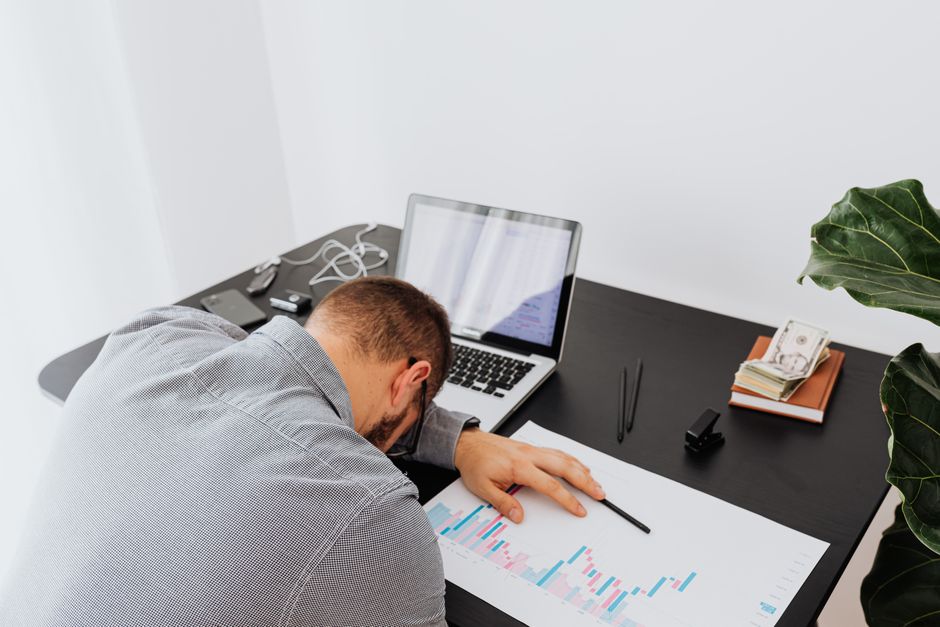
Even with the best intentions, maintaining an evening routine can be difficult. Work deadlines, social commitments, and family responsibilities often encroach on pre-sleep time. To navigate these challenges, flexibility and prioritization are essential. Rather than aiming for a perfect routine, focus on small, consistent actions that can be maintained over time.
One common obstacle is the temptation to use screens for relaxation. Many people find it hard to unwind without watching television or scrolling through social media. In such cases, setting a timer or using app blockers can help limit usage. Alternatively, replacing screen time with a relaxing hobby, such as reading, drawing, or listening to a podcast, can provide similar enjoyment without the alerting effects of blue light.
Another challenge is inconsistent schedules. Shift work, travel, or varying daily demands can disrupt even the most well-planned routine. In these situations, it may be helpful to focus on the elements that can be controlled, such as dimming lights or practicing deep breathing, regardless of the time. Adaptability is key, and even partial adherence to an evening routine can offer benefits.
Finally, it is important to avoid self-criticism if the routine falls apart occasionally. Sleep and alertness are influenced by many factors, and occasional disruptions are normal. Rather than abandoning the routine entirely, gently return to it when possible. Over time, the cumulative effects of consistent practice may contribute to better sleep and morning well-being.